The Artist
William Zea Morales is a contemporary Ecuadorian visual artist born in Guayaquil. His relationship with art began in childhood, almost as a game: drawing his favorite characters, experimenting with color, and taking part in school competitions. Those early experiences became the beginning of a search that, over time, would become his own way of seeing and expressing the world.
During his teenage years, he explored different techniques. A painting course with artist Sonia de Márquez introduced him to charcoal and oil painting. Later, at Colegio Espíritu Santo, artists and teachers Lenin Muñoz and Jack Sotomayor recognized his talent and encouraged him to take part in competitions and interschool art events. At sixteen, his painting “Desfogue del Alma” was selected at the Festival de Artes al Aire Libre (FAAL) and later exhibited at the Municipal Museum of Guayaquil, marking one of the first important moments in his artistic journey.
Before studying Medicine, William trained in Graphic and Web Design and later worked as a teacher. This background had a lasting influence on the way he builds an image: composition, balance, contrast, structure, and especially the use of color. In 2004, he began studying Medicine, and the time he could devote to painting became much more limited. However, art never disappeared from his life. William continued creating; many of his works simply remained unfinished, waiting for the right moment.
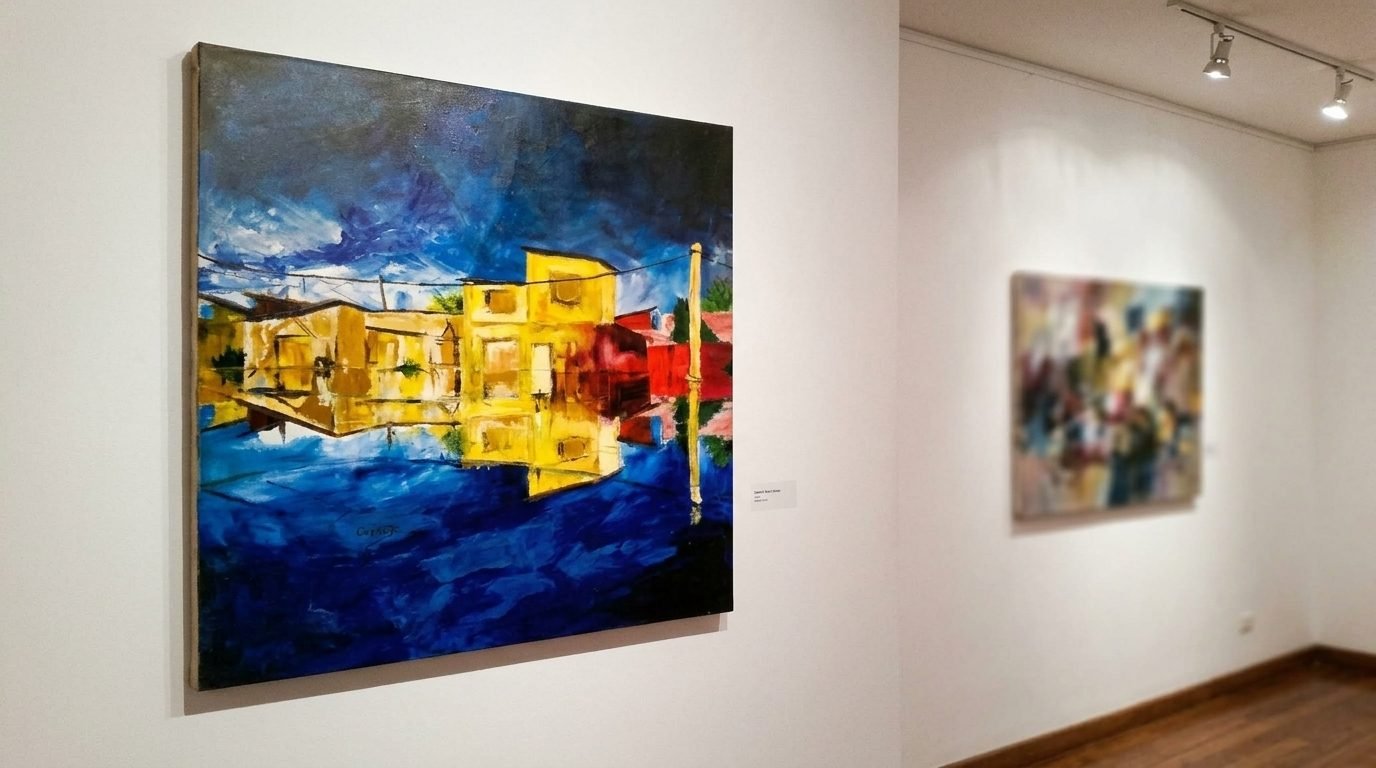
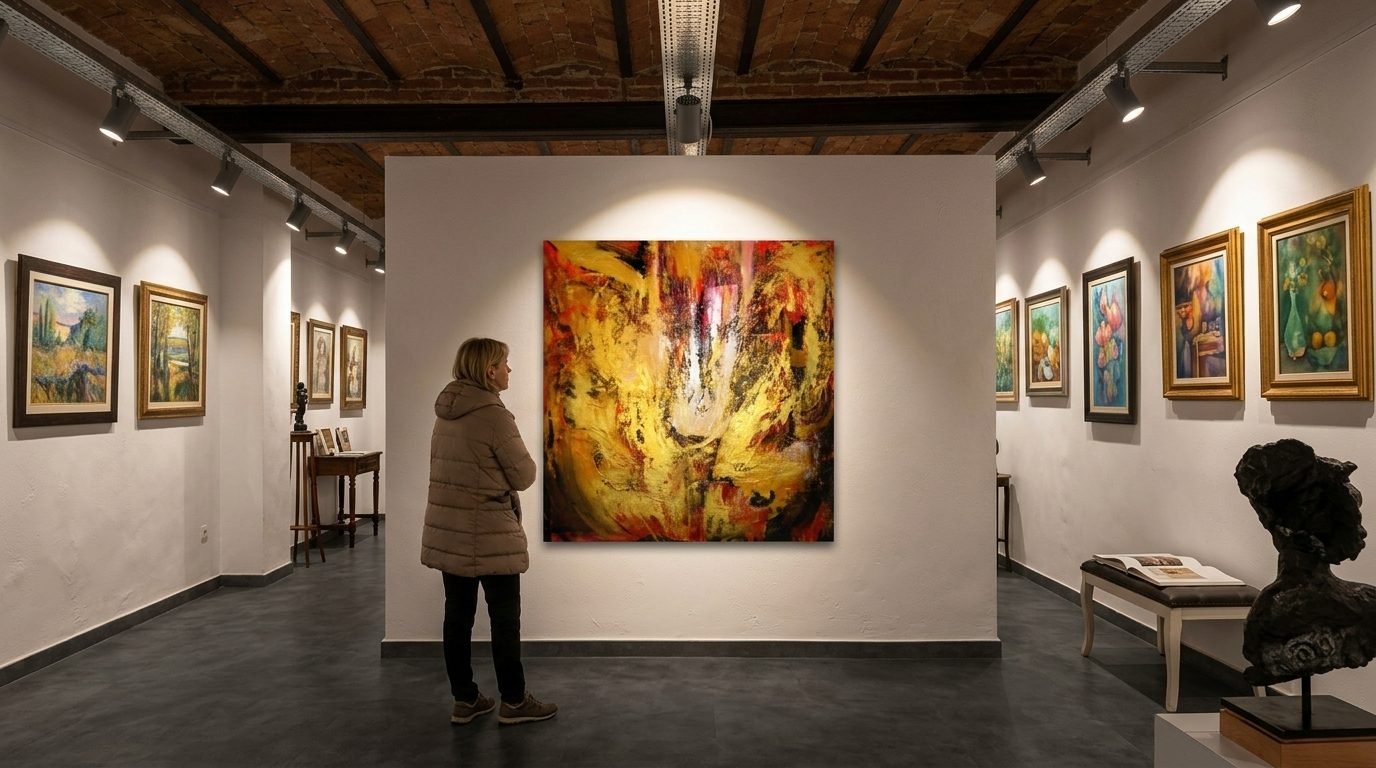
Over time, his painting moved away from simply representing reality and toward a space where emotion, gesture, color, and texture became more important. From this process came ExpreZeanismo, the name he gives to his personal artistic language: a style that moves between expressionism, abstract expressionism, and subtle figuration. His paintings combine strong gestures, palette-knife work, texture, and an intuitive approach to the image. Oil is his main medium, usually painted over an acrylic base that allows him to build layers, contrasts, and texture.
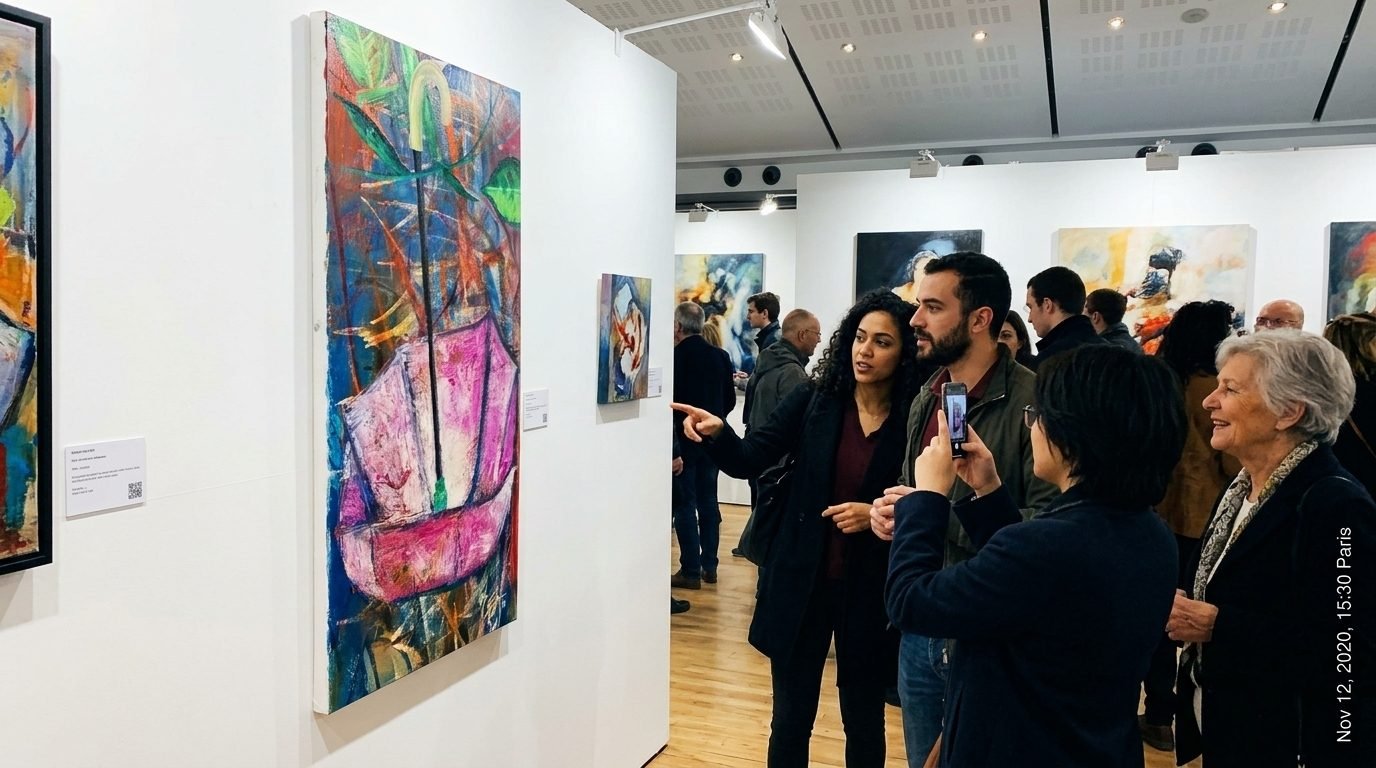
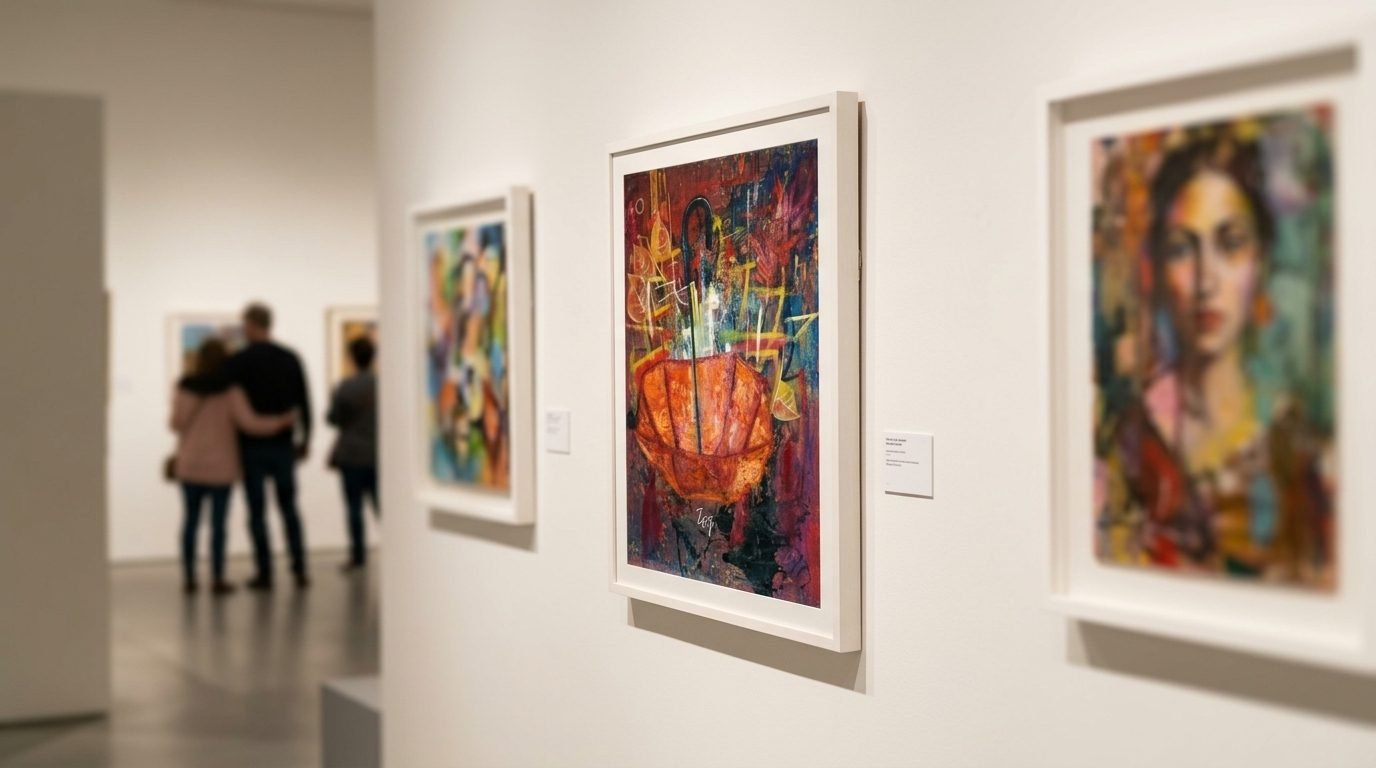
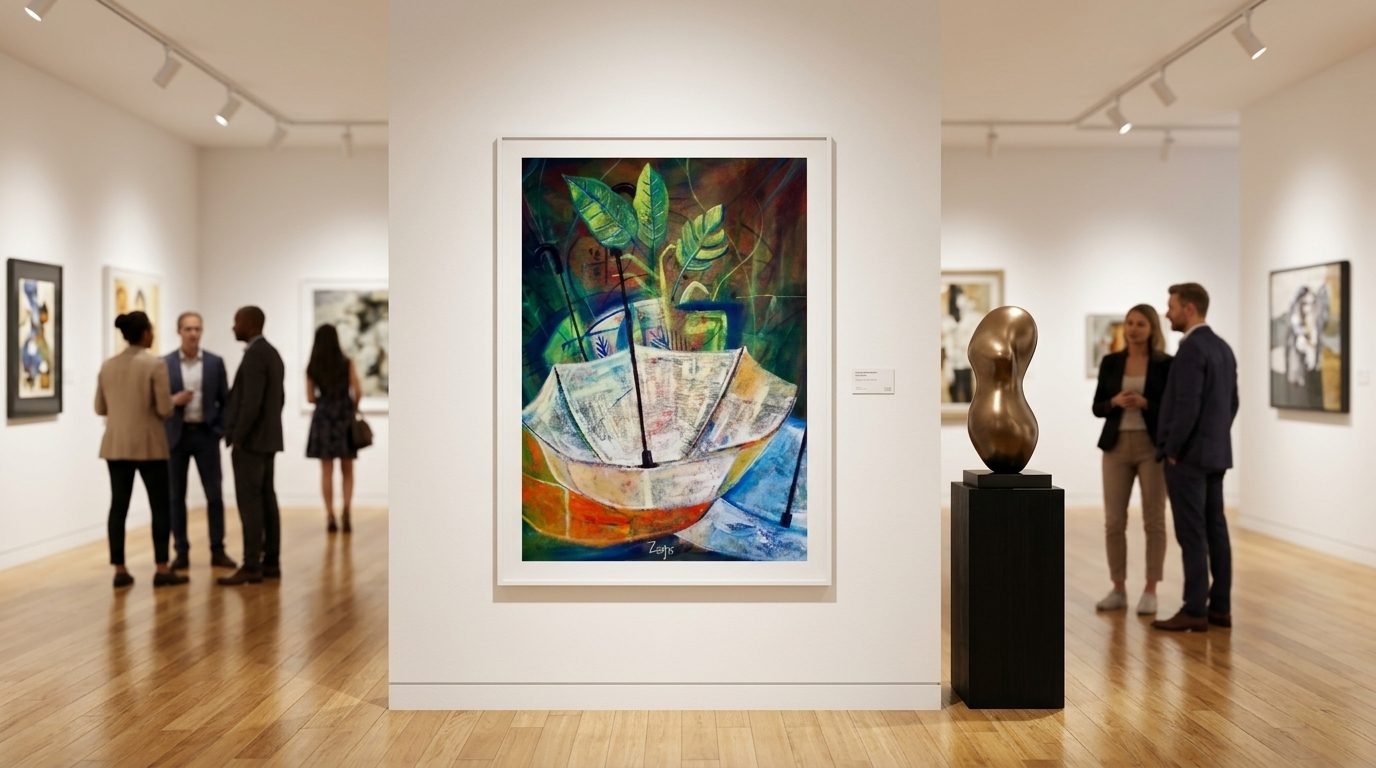
One of his most representative series is UMBRELLAS, where the upside-down umbrella becomes a symbol that the storm is over. His paintings speak of resilience, hope, and the possibility of starting again after difficult times. As with much of his work, the meaning is not fixed. William wants each person to find their own story in the painting and, in some way, make it their own.
His painting is also influenced by his different sides as a person. Medicine, public health, healthcare management, quality, teaching, and writing are all part of the same perspective that he brings to the canvas. This connection is especially clear in Pandemia, a series inspired by his experience as a physician during the COVID-19 crisis. His series Marinas, Flores y Floreros, and Arte Religioso explore, in different ways, nature, the ocean, spirituality, and the things that create an emotional response. At the same time, his background in design led him to explore digital art, created through his own knowledge and design tools, without using artificial intelligence to create the works.

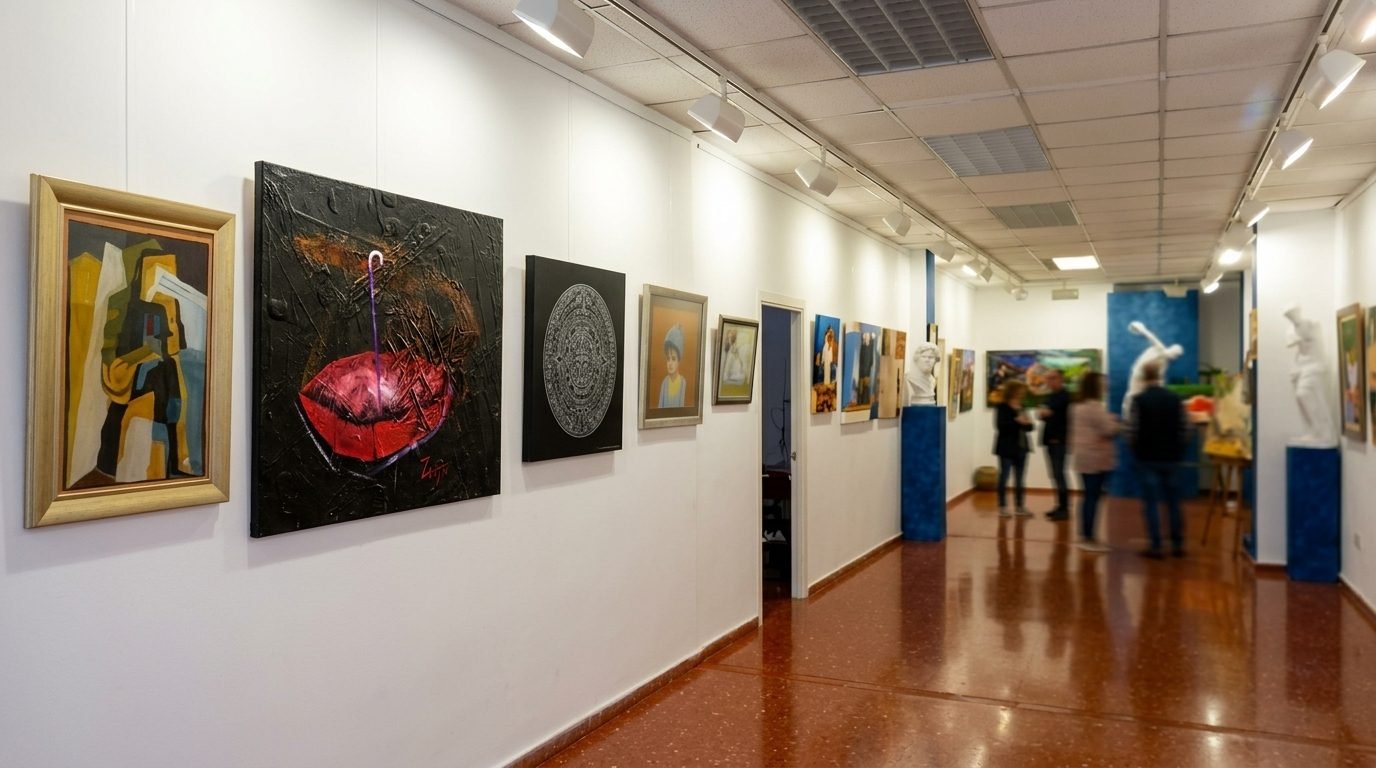
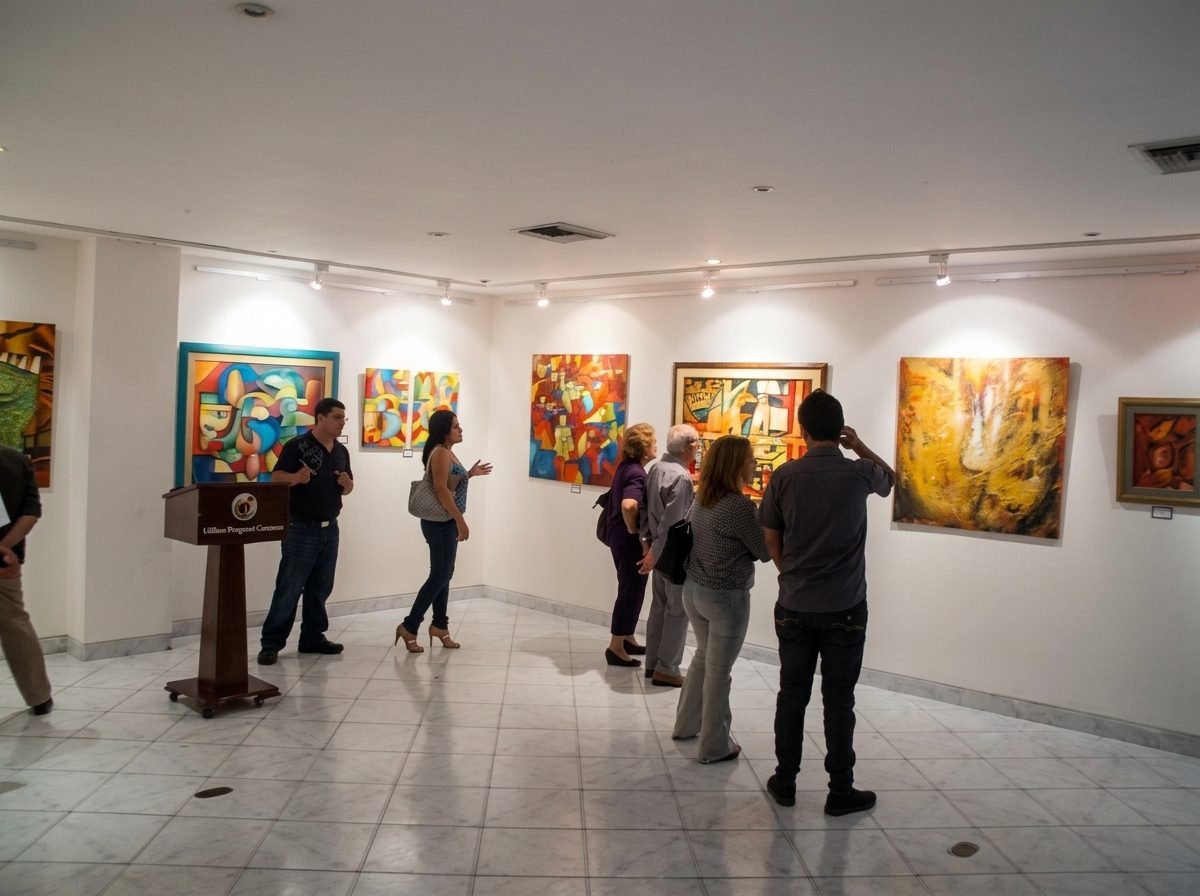
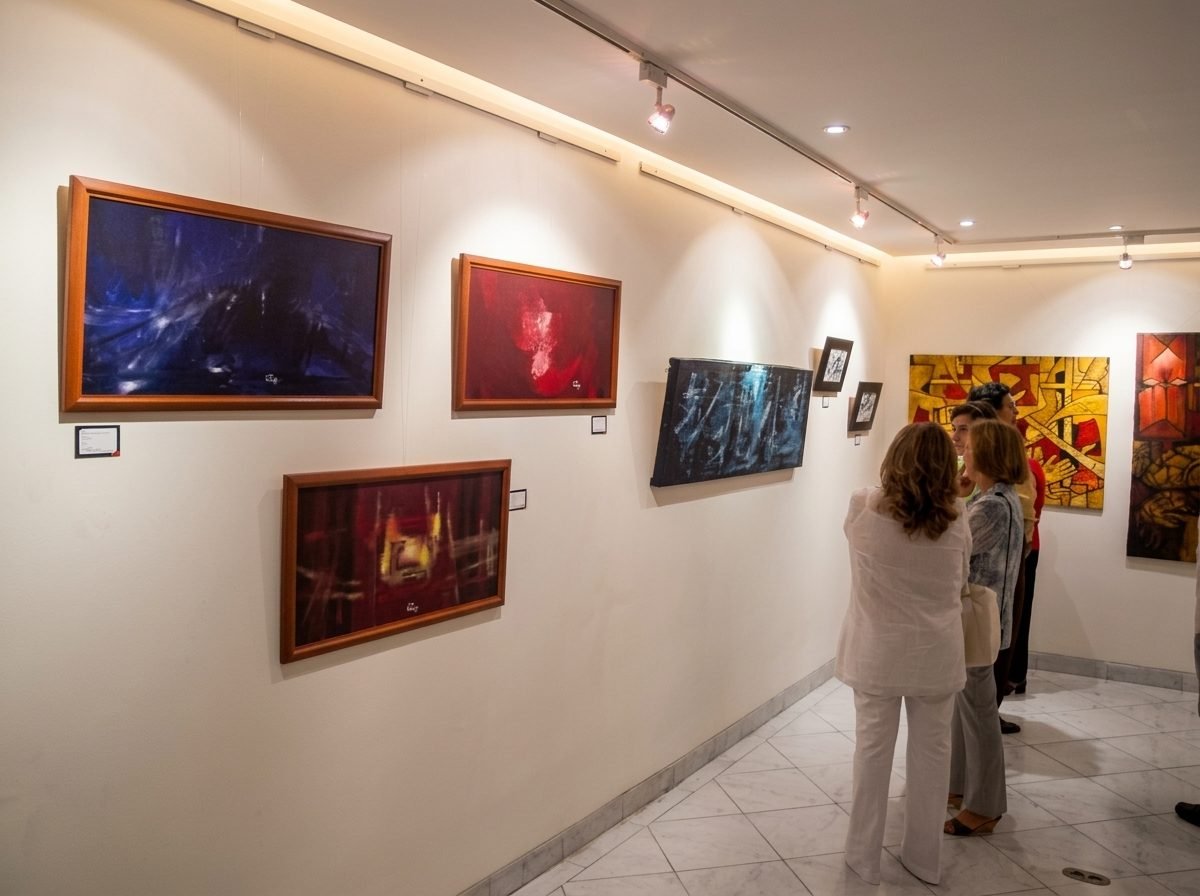
Although his work began in Guayaquil, William does not want to limit it to one place. The sea, nature, spirituality, human experience, and emotions are universal starting points. Throughout his career, he has participated in exhibitions and art events in Ecuador and abroad, presenting his work in different international spaces. His main artistic influences include Pablo Picasso, Antoni Tàpies, Vincent van Gogh, and Salvador Dalí—very different artists, but all able to turn their personal way of seeing the world into a unique artistic language.
For William, creating is a way of communicating. He wants his work to transmit something, invite reflection, and at the same time allow people to simply enjoy the art. He does not want to impose a single interpretation, because a painting can mean something different to each person. His work comes from everything he has known, experienced, and observed: a way of painting how he sees the world and expressing what words cannot always explain.
And when words are not enough, he lets the canvas speak.
“I paint what I see, what I feel, and what words cannot express”
WILLIAM ZEA